

Filler Dissolving: When It Is Needed and What to Expect
Dermal fillers are designed to enhance, restore and subtly refine facial features. When placed carefully and proportionately, they can support natural balance. However, there are situations where dissolving becomes the safest or most appropriate next step.
Although dissolving is not something most patients consider at the outset, it forms part of responsible aesthetic practice. Knowing that filler can be adjusted or removed if necessary offers reassurance — and in some cases provides an opportunity to reset and achieve a more harmonious result.
Why Might Filler Need to Be Dissolved?
There are several reasons dissolving may be recommended. Sometimes previous treatment, whether performed recently or several years ago, no longer feels proportionate. In other cases, filler may shift slightly over time, creating unevenness or a change in contour.
Common situations where dissolving is considered include:
- Filler migration, particularly in the lips
- Persistent puffiness or overfilling
- Asymmetry that does not settle
- Visible product in thinner skin areas
- Results that no longer suit the face as it changes
Occasionally, dissolving may be advised for safety reasons if a complication is suspected. While uncommon, this underlines the importance of anatomical knowledge and prompt assessment.
What Does Dissolving Involve?
Most modern dermal fillers are made from hyaluronic acid, a substance naturally present in the body. These fillers can be broken down using a prescription enzyme administered by a medically trained practitioner.
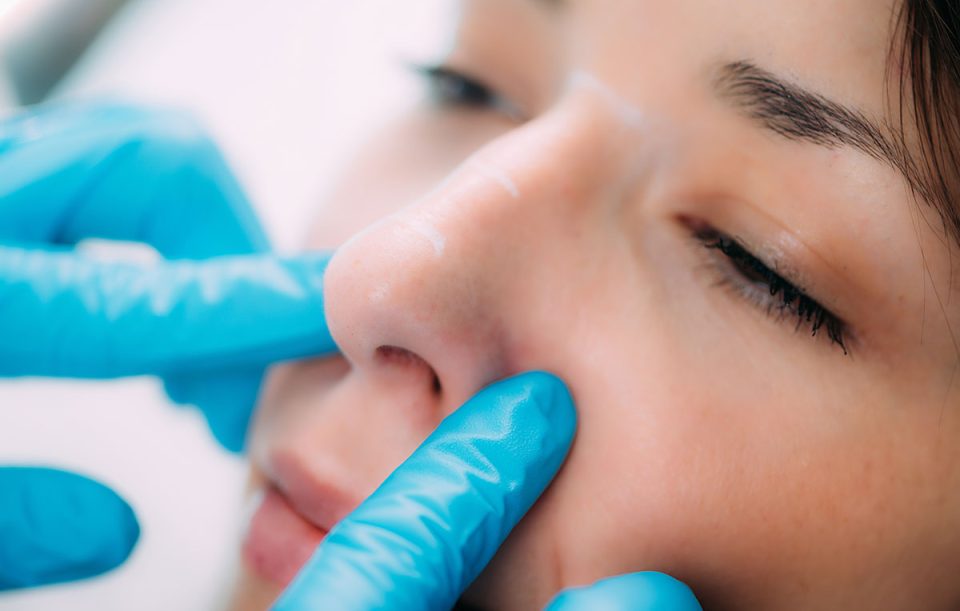
The procedure is performed in clinic following a thorough consultation. Assessment includes reviewing previous treatment history and confirming that dissolving is appropriate. Not every concern requires removal; sometimes reassurance or minor adjustment is sufficient.
Reduction in volume can often be seen relatively quickly, although final assessment is usually made after swelling has settled over several days.
Is Filler Dissolving Uncomfortable?
Most patients describe dissolving as similar in sensation to having filler placed. Local anaesthetic may be used where appropriate to improve comfort. Temporary swelling or mild tenderness can occur afterwards, but this generally settles within a few days.
Because the enzyme works by breaking down hyaluronic acid, there may be a temporary reduction in the body’s naturally occurring hyaluronic acid in the treated area. This gradually replenishes over time.
When Dissolving Is Part of a Longer-Term Plan
In some situations, dissolving forms part of a considered reset. This is particularly common where filler has accumulated over a number of years.
Returning to a neutral baseline allows a more balanced approach if further treatment is desired. Many patients feel reassured after dissolving, especially if they have felt uncertain about previous results.
It is often more appropriate to remove what is not working and reassess carefully, rather than adding additional volume to correct imbalance.
Safety and Clinical Judgement
Filler dissolving should be carried out by a medically trained practitioner with an understanding of facial anatomy and complication management. The enzyme used is a prescription-only medicine and requires appropriate assessment before use.
A thorough consultation includes discussion of medical history, allergy considerations, expected outcomes and limitations. In some cases, additional precautions may be advised.
Importantly, dissolving is not always necessary. Responsible aesthetic care includes recognising when intervention will enhance balance and when it may be better to observe.
Filler Dissolving in Cheltenham
If you are concerned about previous dermal filler treatment, a calm assessment is the best starting point. Not every irregularity requires intervention, but when dissolving is appropriate it can restore confidence and create a more natural baseline.
At Fresh Face Aesthetics in Cheltenham, filler dissolving is offered following consultation and individual assessment. You can learn more about the broader approach to Dermal Fillers or arrange a consultation to discuss your concerns.
If you are unsure whether dissolving is necessary, arranging an appointment allows space to explore options without pressure. Sometimes reassurance is all that is required. When intervention is appropriate, it should feel measured, safe and proportion-focused.
In aesthetic medicine, refinement is often about restraint. Dissolving can form part of that process — not as a failure, but as a thoughtful step toward better balance.


